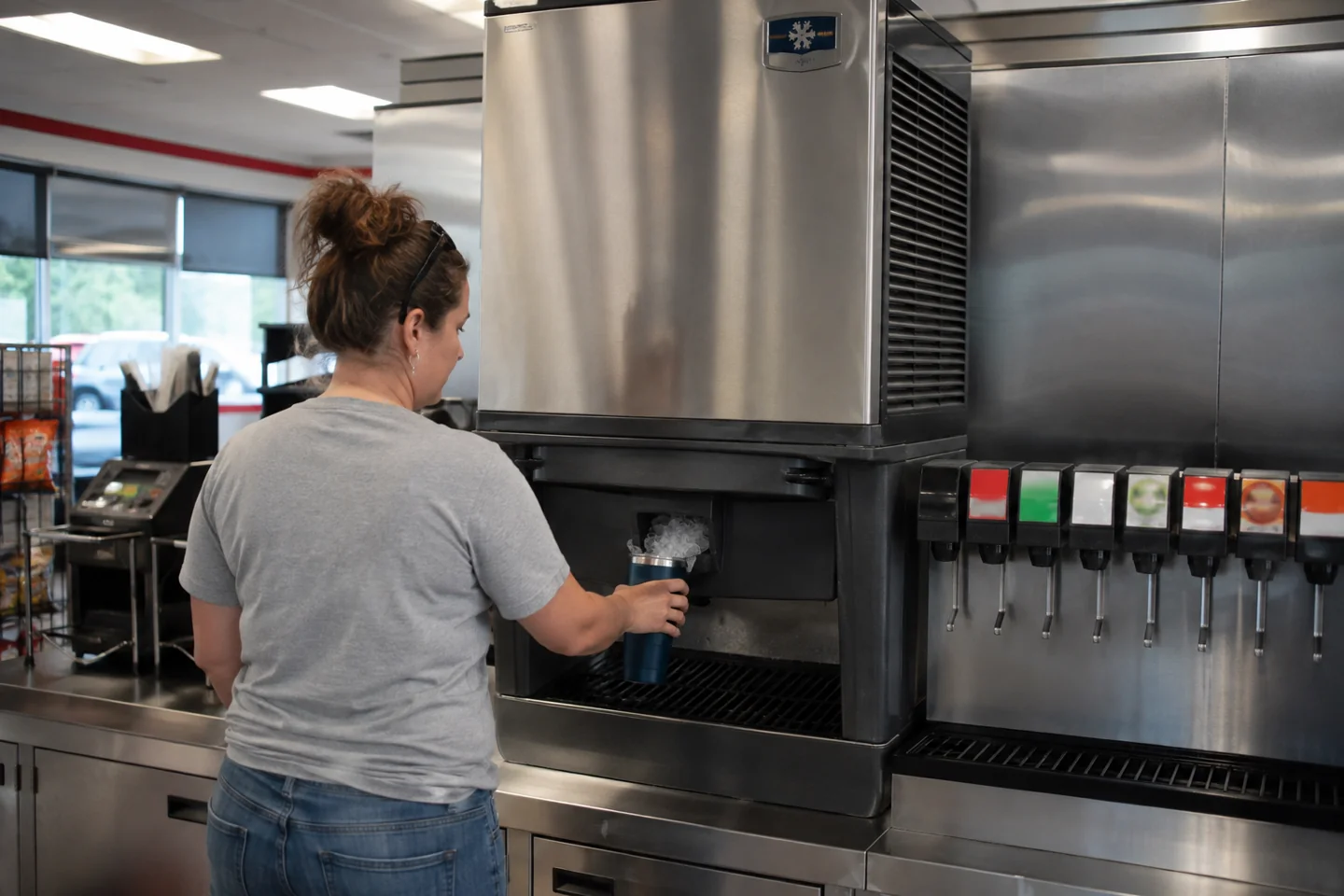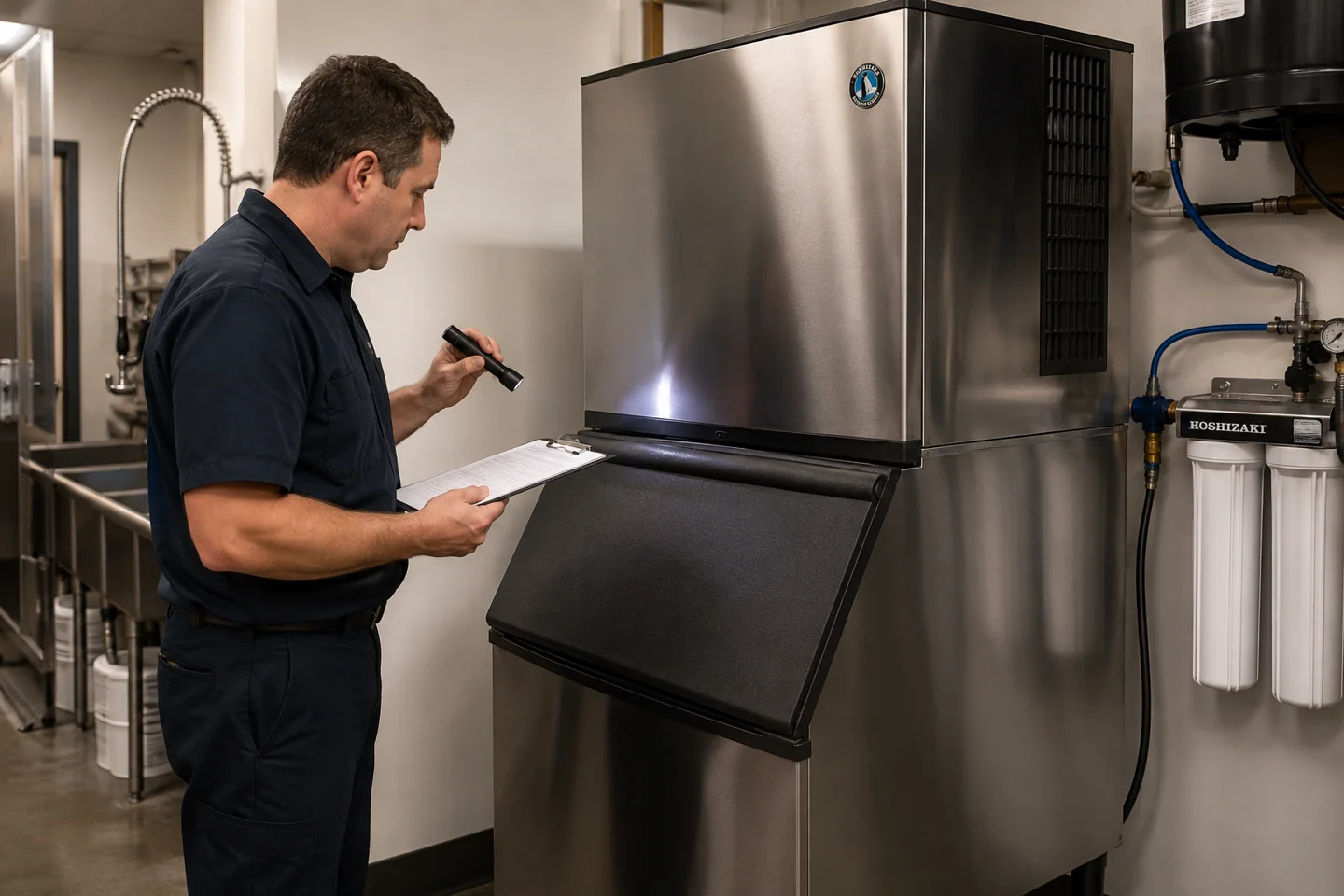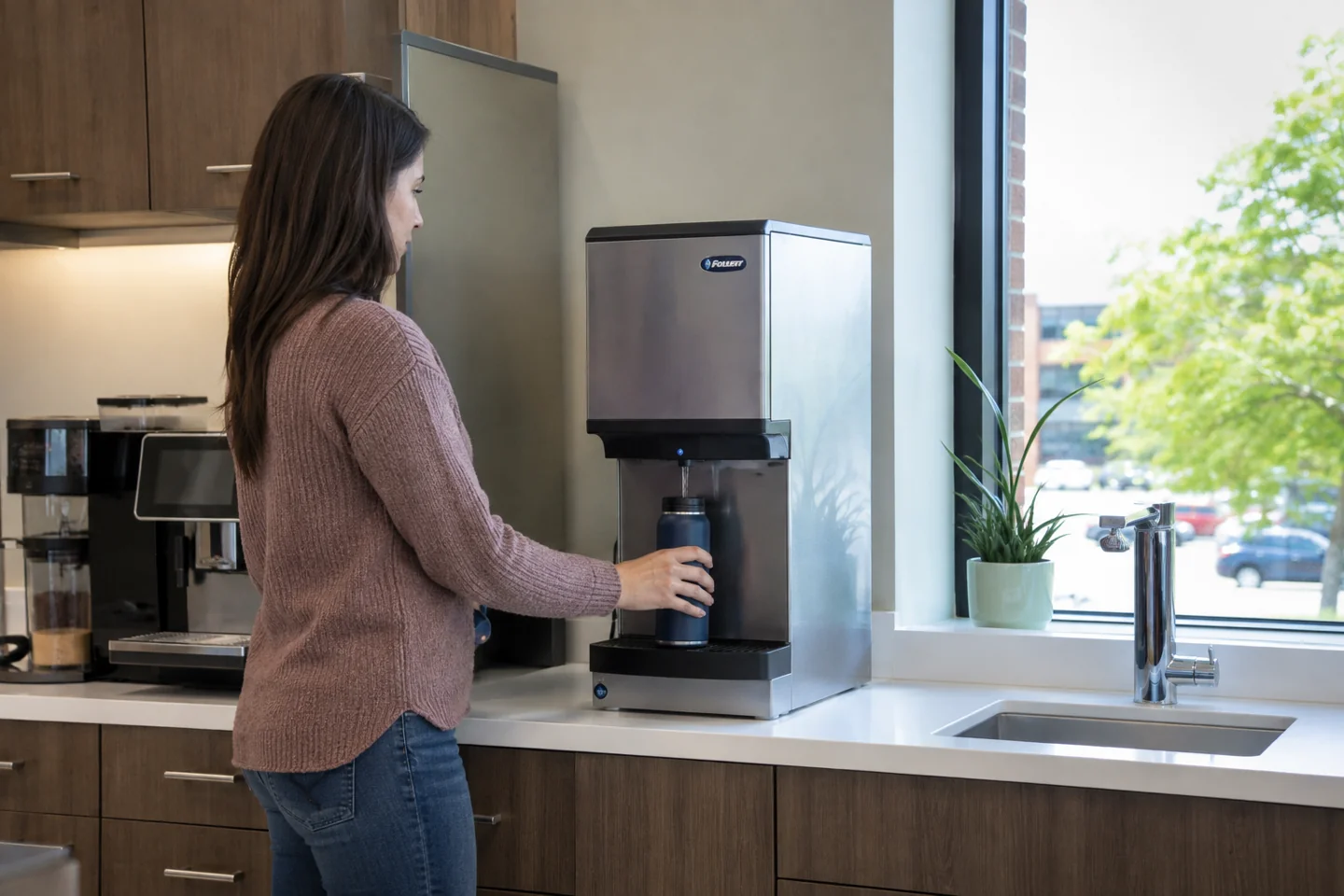
Wisconsin businesses comparing ice machines should start with the role of ice in the operation. Serving drinks, supplying a guest dispenser and supporting food production require different equipment and handling decisions. Freezer Supply helps buyers compare provider proposals around the complete requirement, including storage, installation and ongoing care. A useful statewide comparison keeps the questions consistent while allowing the specification to change for each business and premises.
Use the correct licensing contact for the operation
The Wisconsin Department of Agriculture, Trade and Consumer Protection publishes food establishment resources and works with local public-health agents in some areas. Confirm the relevant contact for your address and activity before planning alterations. Food retail, catering and processing should not be treated as interchangeable business descriptions.
Explain how the proposed ice system supports that activity, including production, storage and collection. Ask which review applies to a new premises, a change of operation or a remodel. Equipment suitability and installation scope remain important, but neither replaces the appropriate review of the business itself.
When taking over a site, document what equipment and connections will stay. Earlier use of the property is a starting point for questions, not proof that every part of the new arrangement is already suitable.
Match the ice to the product and production cycle
Review commercial equipment types for beverages and service duties. The cube and nugget comparison helps explain menu-related choices, while processing requirements deserve a separate industrial equipment review. Define the intended use before treating machines with similar output figures as alternatives.
Count portions and collection periods, then compare the reserve needed before the busiest service. A hypothetical Wisconsin business preparing several orders together may have a concentrated draw even when its total daily requirement appears modest. Ask the provider to explain both replenishment and storage in the recommendation.
Keep confirmed demand distinct from future expansion. Comparing today's requirement with a separately priced growth option makes the cost of additional capacity easier to judge.
Check the premises and ownership of routine care
Have qualified installers assess supply, treatment, drainage, electrical provision and heat rejection at the proposed location. Manufacturer clearances must fit the finished layout, not just an empty room before other equipment arrives. Include access for changing service components and removing the unit later.
Obtain written confirmation when retaining a dispenser or bin with a new production head. List adapters and other necessary components in the price. The installation cost guide helps separate these items from equipment-only offers.
Assign routine inspection, prescribed cleaning and fault reporting to named roles. Ask who supplies startup instruction, model documents and service contacts. Compare warranty terms with maintenance coverage rather than assuming one agreement supplies both.
Compare Wisconsin prices without hidden scope differences
Use the same equipment requirement and contract period when comparing purchase, rental and lease offers. Itemize storage, delivery, removal, connection work and commissioning. Record recurring consumables, excluded repairs, renewal conditions and relocation responsibilities separately.
The ice machine buyer's guide provides a practical comparison checklist. Request Wisconsin ice machine pricing with the business format, demand record and site findings included. Providers can then explain the installed system and support behind their price, rather than relying on a low headline figure for only part of the job.